



2026-06-14
classification:Company News
Following the preview of the previous issue, this series continues to explore the integrated development path of Global New Material International after its acquisition of SUSONITY. This issue will focus on global capacity layout and operational performance, and detail the effectiveness of capacity integration after the acquisition.
Global New Material International (06616.HK) completed its strategic acquisition of SUSONITY on July 31, 2025. In the ten months since then, the 66-year-old high-end effect pigment company has achieved stable full-capacity operation at its core production bases across Europe, America and Asia.
The three bases have achieved continuous and stable production under the regulatory rules, labor systems and environmental standards of different countries. This operational outcome is not only a direct manifestation of the successful cross-border merger and integration, but also a key milestone in the implementation of Global New Material International’s global supply chain strategy. At a time when the global industrial chain is being restructured, geopolitical risks are intensifying, and regional trade barriers are increasing, a stable, efficient and coordinated intercontinental production capacity network has become the core strength for high-end new materials enterprises to participate in global competition.
Triangular capacity layout: Building regional supply hubs based on local conditions
The three major production bases of SUSONITY have clear divisions of labor, forming a triangular capacity fulcrum covering core consumer markets in Europe, America and Asia.
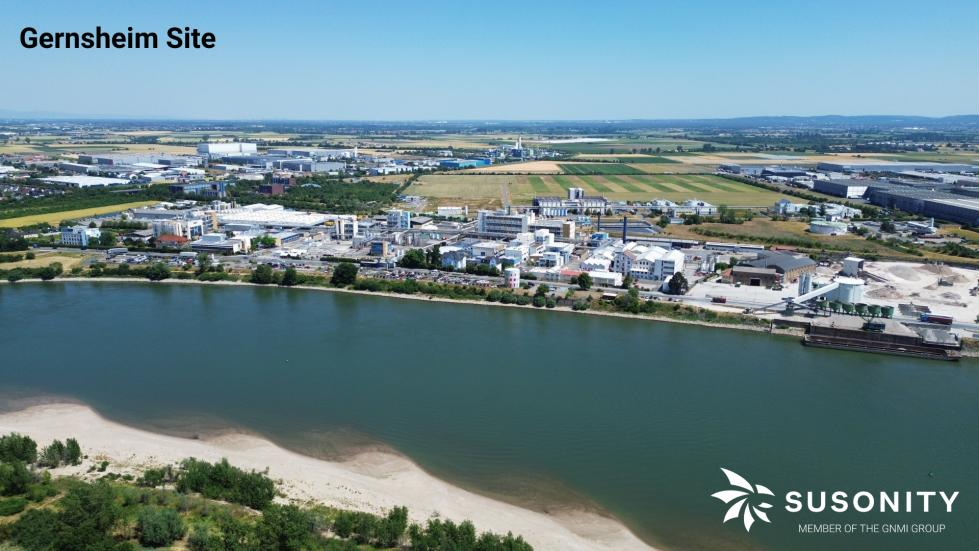
▲ The Gernsheim site in Germany serves as the group’s global technology hub and core production capacity center, carrying the manufacturing of two benchmark product lines, Xirallic® and Iriodin®, focusing on high-end fields such as original factory paints for European automobiles and high-end anti-counterfeiting materials, and is a core link serving top European automakers such as Mercedes-Benz and BMW as well as anti-counterfeiting printing clients;
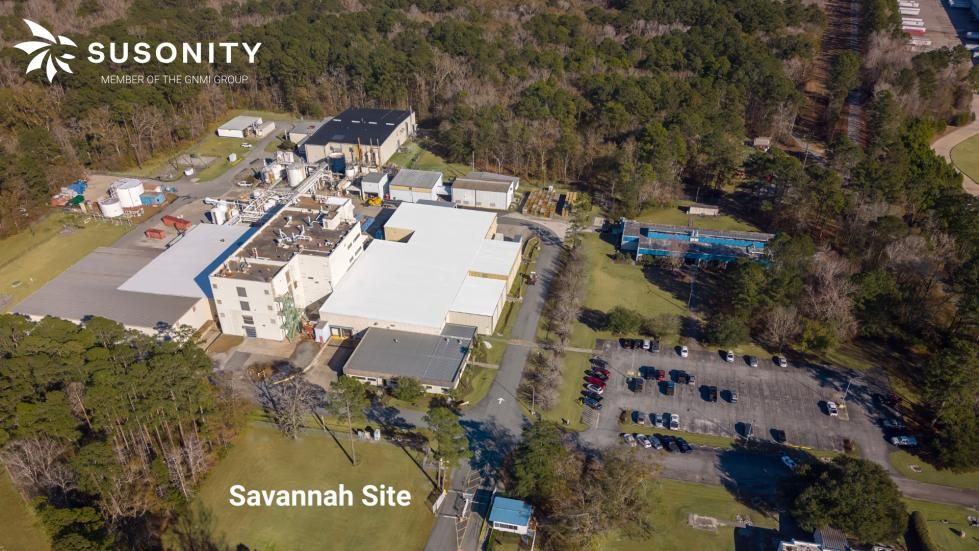
▲ The Savannah plant in the United States is deeply rooted in the North American market, adapting to the quality standards and delivery requirements of the North American coatings and beauty industries to ensure immediate supply to regional customers;
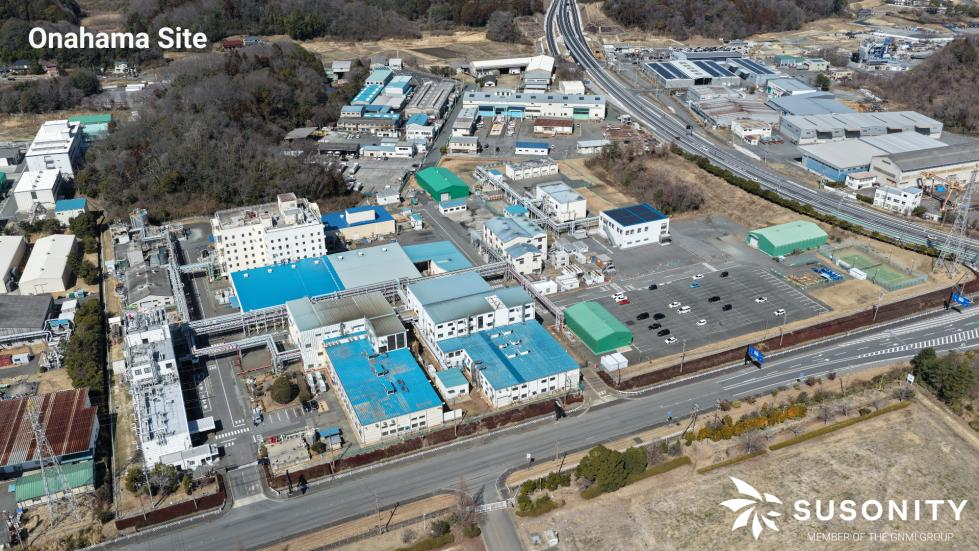
▲ The Onahama plant in Japan is deeply integrated into the Japanese automotive supply chain, relying on mature precision manufacturing capabilities to serve high-end automotive and precision coating customers in the Asia-Pacific region.
Each of the three locations plays its own role and complements each other to form a localized supply model of “regional production and regional delivery”, which shortens the logistics radius from the root, reduces cross-border logistics costs, and avoids risks such as delivery delays and tariff fluctuations caused by ocean shipping, achieving efficient connection with global core customers.
Flexible integration strategy: Local retention, intercommunication of standard and specification, and collaborative advancement
Unlike the rough practices commonly seen in traditional mergers and acquisitions such as capacity shutdowns, production line relocation, and forced unification of manufacturing standards, Global New Material International adopts a capacity integration strategy of “local retention, intercommunication of standard and specification, and flexible synergy”. The group fully respects the decades-old production techniques, quality control systems and local labor systems in Germany, the United States and Japan, and retains the original high-end manufacturing processes of SUSONITY. The inheritance of production equipment, operation norms, and quality control systems is equivalent to the continuation of core technologies in the high-end effect pigment industry, which demands extremely high precision and formulation stability. At the same time, the group promotes the interconnection of manufacturing data, quality standards and safety management systems between the three factories and the domestic Chesir pearlescent production base, and establishes a globally unified raw material traceability, finished product inspection and safety production norms, which not only retains the manufacturing advantages of overseas assets but also achieves the standardization upgrade of the group’s overall manufacturing system.
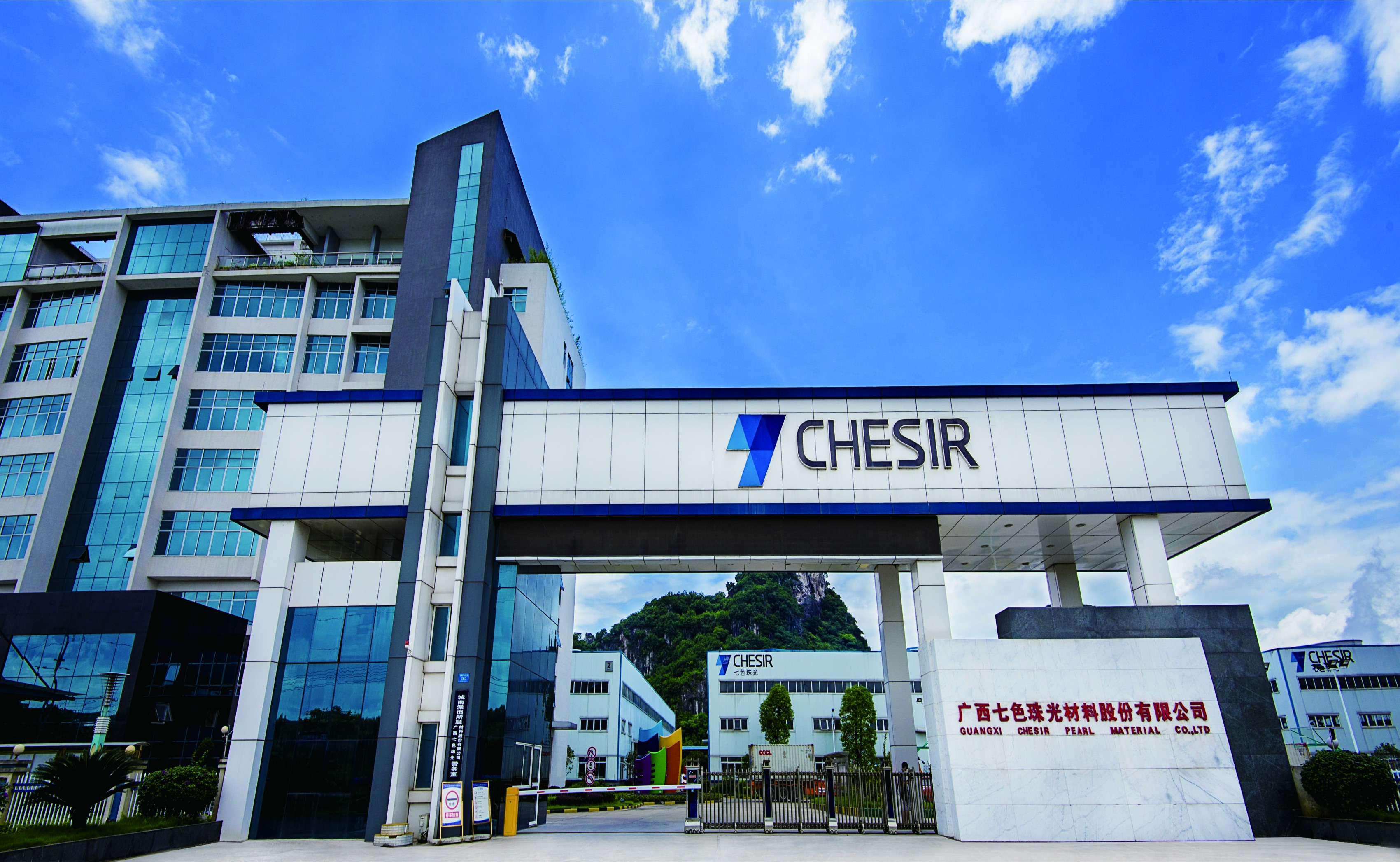
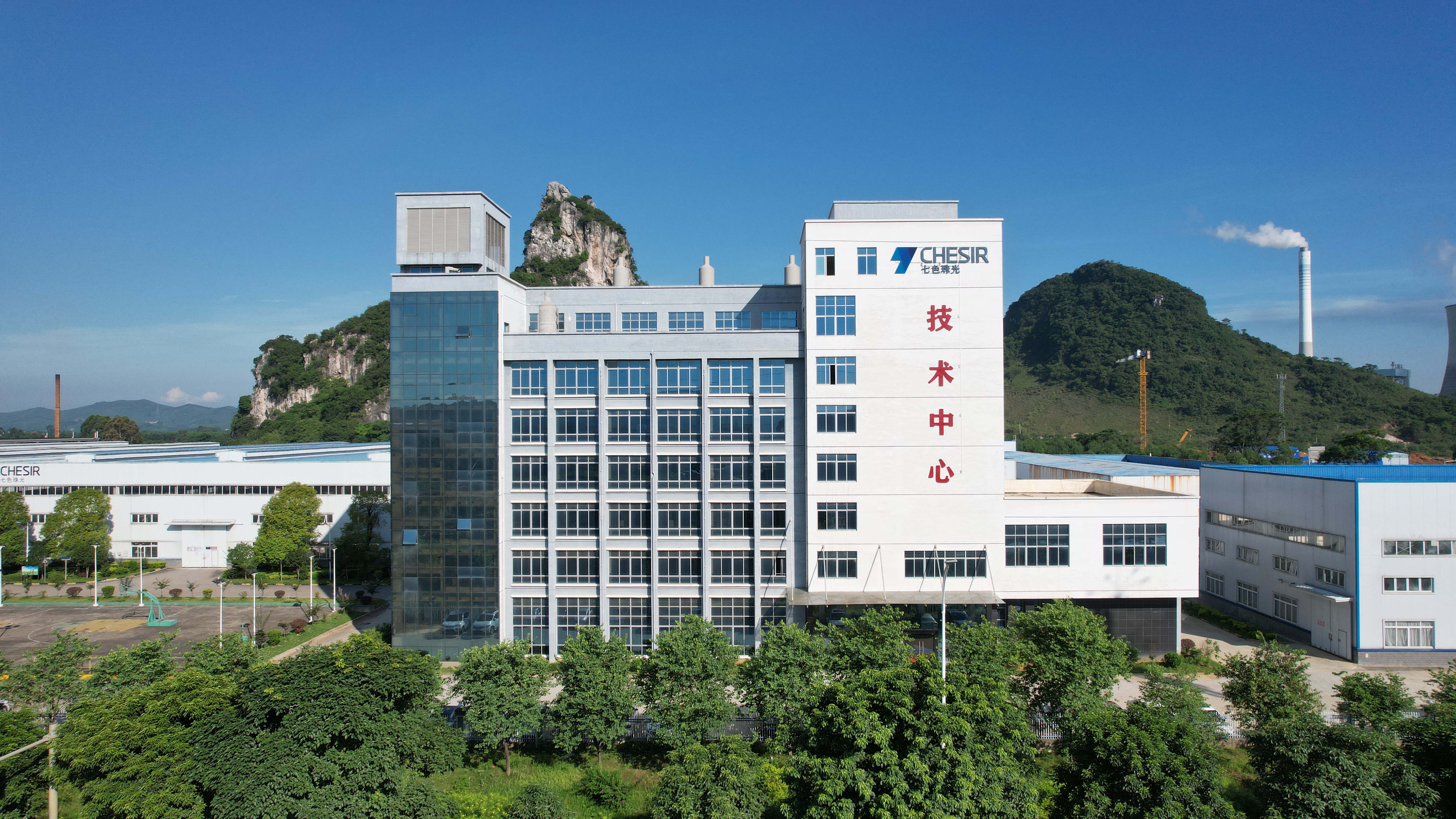
From the perspective of the group’s overall production capacity pattern, this acquisition has achieved a two-way complementarity and offset synergy of “local large-scale production capacity + overseas high-end customized production capacity”. Chesir has a large domestic intelligent production base, focusing on high cost-performance and large-scale standardized products; SUSONITY, relying on its three overseas bases, is the industry leader in high-end effect pigments and excels in the production of high-value-added customized products. The two capacity matrices complement each other organically: domestic bases handle mass-market and large-scale orders, while the three intercontinental bases overseas focus on global high-end customization demands, breaking the limitations of a single capacity structure.
More importantly, this layout opens up a two-way channel for the group – relying on the brand and customer resources of overseas bases to help domestic quality products go global at a faster pace; At the same time, leverage the vast domestic market size and channel network to bring high-end overseas products to domestic customers and maximize the value of global production capacity.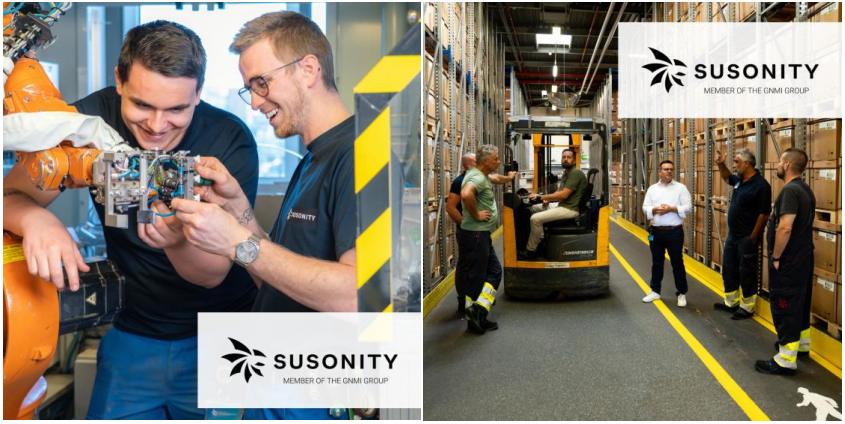
Global capacity networking: Focusing on both scale-up and sophistication to enhance the resilience of the supply chain
On a deeper level, this intercontinental capacity network significantly enhances the resilience of the group’s supply chain. In recent years, the fine chemicals industry has been hit hard by fluctuations in global raw material prices, disruptions in local supply chains, and tightened environmental policies in various countries.
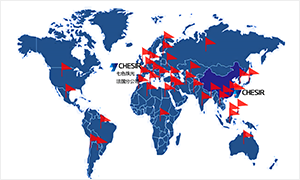
Global New Material International, relying on its production capacity layout in three major regions (Europe, North America, and East Asia), has established a distributed supply chain system. When there is a shortage of raw materials, policy changes or fluctuations in market demand in one region, capacity in other regions can be flexibly reallocated and orders diverted, effectively distributing single-point risks to the global capacity network and significantly enhancing the stability and continuity of the overall supply chain. The large-scale domestic capacity and the high-end precision overseas capacity form a double guarantee: they can meet the diverse demands of the global market and support each other and respond quickly in extreme scenarios, building a solid defense line for the continuous and stable operation of the group’s global business.
Integration is not limited to the present: Technology transfer opens a new stage of global development
The culmination of the ten-month integration is the transition of SUSONITY’s three bases from the initial stage of the transfer to the current stable full-capacity operation empowered by the group system – and this is just the beginning of Global New Material International’s global capacity integration.
In the future, GNMI will continue to optimize the division of intercontinental production capacity and promote the exchange of technologies between domestic and overseas production lines: introducing overseas high-end precision manufacturing processes to domestic bases to enhance the manufacturing capacity of local high-end products; Export domestic intelligent and automated production experience to overseas bases to further enhance the production efficiency of overseas factories. With the continuous maturation of intercontinental capacity and manufacturing system, Global New Material International has fully upgraded from a single regional manufacturing enterprise to a global surface performance materials platform enterprise. The stability and synergy of capacity will continue to lay a solid foundation for the group’s global market expansion, technology implementation and value growth.